

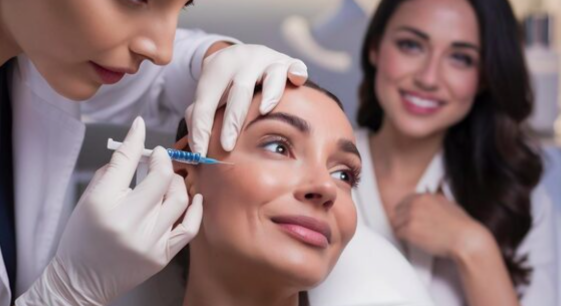
The field of medical aesthetics has transformed significantly over the last decade, evolving into a sophisticated discipline that blends clinical science with precision artistry.
For medical professionals—including physicians, dentists, and specialized nurses—the ability to deliver exceptional results hinges not only on their foundational medical training but also on their commitment to specialized education.
Engaging in comprehensive botox courses serves as the critical bridge that connects clinical expertise with superior patient care.
By refining technical skills and expanding anatomical knowledge, practitioners are better equipped to provide safe, predictable, and highly satisfying outcomes for their patients.
Enhancing Anatomical Knowledge for Improved Safety
Safety remains the cornerstone of any medical procedure, and aesthetic treatments are no exception. Success begins with a mastery of facial anatomy, understanding how muscle groups interact with the surrounding vascular and nervous systems.
High-quality botox courses provide in-depth training on these critical anatomical structures, ensuring that every injection is placed with absolute accuracy. When a practitioner understands the underlying dynamics of the face, they can avoid sensitive areas and minimize the risk of complications.
This level of anatomical precision not only protects the patient but also ensures that the treatment is focused exactly where it will provide the most effective enhancement.
Refining Injection Techniques for Natural Results
Patients today are increasingly seeking results that appear subtle, refreshed, and entirely natural rather than artificial or frozen. Achieving this balance requires a high degree of technical control that is honed through deliberate, hands-on practice.
Professional training allows clinicians to refine their injection techniques, learning to control dosage, depth, and placement with microscopic precision.
By mastering these nuances in a supervised environment, professionals learn how to adjust their methods to suit each patient’s unique facial movements and structure.
This capability to tailor treatments results in a smoother, more harmonious appearance that leaves patients feeling more confident in their own skin.
Improving the Accuracy of Patient Assessments
The quality of an outcome is fundamentally determined during the initial consultation. A practitioner must be able to listen to a patient’s goals, perform a thorough facial assessment, and design a treatment plan that aligns with those expectations.
Botox courses teach clinicians how to evaluate facial expressions dynamically, recognizing how specific muscles contribute to the patient’s primary concerns.
By learning to conduct a comprehensive assessment, providers can manage expectations realistically and create a strategic plan that addresses the root cause of the lines or volume loss. This consultative skill is vital for building trust and ensuring the patient is satisfied with the final outcome.
Managing Complex Cases with Increased Confidence
As a practitioner gains experience, they will inevitably encounter more complex cases that require nuanced judgment. This might include treating unconventional areas or navigating patients with previous aesthetic work or unique anatomical challenges.
Dedicated training programs provide the tools and frameworks needed to handle these complexities with professional maturity. When a clinician is well-prepared, they can adapt their approach to suit the individual’s needs while maintaining the highest standard of safety.
This sense of confidence directly benefits the patient, as they feel reassured knowing their provider has the expertise to handle any challenge that arises during the procedure.
