

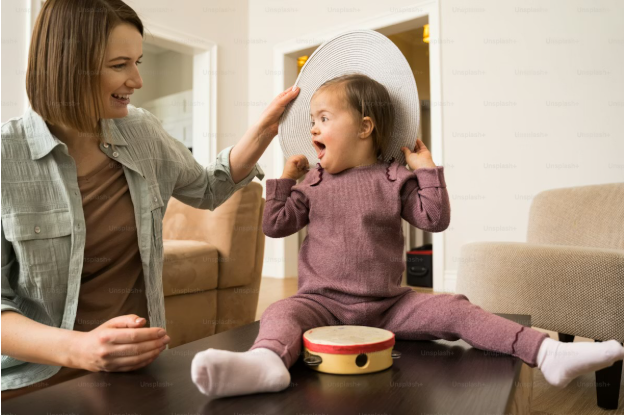
Caring for a child with autism often involves understanding their unique sensory needs and emotional responses. Many autistic children experience heightened sensitivity to sounds, lights, and environmental changes, which can lead to stress, anxiety, or sensory overload. Finding supportive and gentle ways to help them relax is essential for their overall well-being. One approach that has gained attention is sound therapy. This therapeutic method uses calming sounds, vibrations, and frequencies to promote relaxation and emotional balance.
While it should be used alongside professional guidance, sound therapy can offer a soothing experience that helps autistic children cope with stress more effectively. Here are several ways sound therapy can be beneficial.
1. Helps Reduce Sensory Overload
Autistic children often feel overwhelmed when exposed to loud or unpredictable noises. Sound therapy introduces controlled and gentle auditory input, which can help the child’s nervous system adjust more comfortably.
Soft tones, rhythmic patterns, and calming music create a predictable environment that reduces sensory overload. Over time, this can help children become more tolerant of everyday sounds.
2. Promotes Relaxation And Emotional Calmness
Sound therapy is known for its calming effects on the mind and body. The soothing nature of carefully selected sounds can help slow down breathing and reduce tension. This relaxation response is especially beneficial for children who experience anxiety or frequent emotional outbursts.
When the body is relaxed, it becomes easier for the child to regulate their emotions and respond more calmly to stressful situations.
3. Improves Focus And Attention
In addition to reducing stress, sound therapy may also support better focus and concentration. Gentle background sounds can create a peaceful environment that minimises distractions.
For some autistic children, this can make it easier to engage in learning activities, therapy sessions, or daily routines. Improved focus can contribute to better overall development and learning outcomes.
4. Benefits Of Sound Bed Sessions
One effective form of sound therapy involves sound bed sessions, where the child lies on a specially designed surface that produces gentle vibrations along with soothing sounds. These vibrations can be felt throughout the body, creating a calming sensory experience.
The combination of sound and vibration helps relax muscles, ease tension, and promote a sense of comfort. For many children, sound bed sessions can become a safe and enjoyable way to unwind and manage stress.
5. Encourages Better Sleep Patterns
Sleep disturbances are common among autistic children, often due to anxiety or sensory sensitivities. Sound therapy can help create a calming bedtime routine by introducing gentle, repetitive sounds that signal the body to relax.
Listening to soothing sounds before sleep may improve sleep quality and help children fall asleep more easily. Better sleep contributes to improved mood, behaviour, and overall health.
Bottom Line
Sound therapy offers a gentle and supportive approach to helping autistic children cope with stress. By reducing sensory overload, promoting relaxation, improving focus, and supporting better sleep, it can play a valuable role in a child’s daily routine. Techniques such as sound bed sessions provide an additional layer of comfort through combined sound and vibration therapy. While it is important to consult healthcare professionals before starting any new therapy, sound therapy can be a helpful tool in creating a calmer and more balanced environment for autistic children.
