

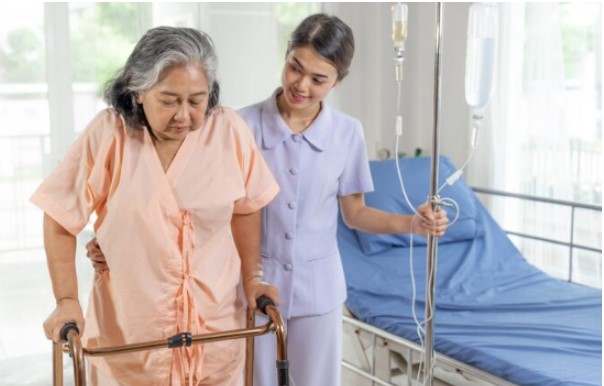
Transitioning into the specialized field of end-of-life care represents a significant milestone in a nursing career. While acute care focuses on the mechanics of recovery, palliative care emphasizes the quality of the journey.
Achieving one of the many available hospice nurse positions allows a healthcare professional to practice medicine in its most holistic form.
This career path offers a unique blend of clinical independence, emotional fulfillment, and professional respect that is rarely found in traditional hospital wards. For those with the right temperament, the rewards of this specialty extend far beyond a paycheck.
1. Developing Deep Emotional Fulfillment
One of the most profound advantages of working in this field is the ability to make a tangible difference during a family’s most difficult time. When you hold one of the dedicated hospice nurse positions, your primary goal is to alleviate suffering and provide dignity.
This mission creates a deep sense of purpose and professional satisfaction. Knowing that your presence provided comfort and peace to a patient in their final moments offers a level of emotional reward that keeps many nurses dedicated to this specialty for decades.
2. Autonomy and Clinical Independence
Unlike the fast-paced, highly regulated environment of an intensive care unit, palliative care often allows for greater autonomy. Nurses in these roles are frequently the primary point of contact in a patient’s home, requiring them to make critical decisions regarding symptom management and comfort protocols.
Reaching these hospice nurse positions means you have the trust of the medical team to act as the eyes and ears of the physician, fostering a high level of clinical confidence and professional maturity.
3. Mastery of Specialized Clinical Skills
End-of-life care requires a very specific set of technical skills, particularly in the realm of advanced pharmacology and pain management.
You become an expert in titration and the management of complex symptoms that other nurses might rarely encounter. This specialized knowledge makes you an invaluable asset within the healthcare community.
Being well-versed in these protocols ensures that you are always a competitive candidate for high-level hospice nurse positions within top-tier healthcare organizations.
4. Flexible Scheduling and Work Environments
Many roles in this sector offer a departure from the grueling twelve-hour shifts common in hospitals. Because care is often provided in the patient’s home or specialized residential facilities, there is often more room for flexible scheduling.
This allows for a better work-life balance, which is essential for maintaining the mental resilience required for this line of work. The variety of environments keeps the daily routine fresh and engaging for the healthcare provider.
5. Strengthening Communication and Counseling Abilities
In this specialty, your words are just as important as your medical interventions. You will develop an elite ability to navigate grief, explain complex medical situations, and facilitate difficult conversations between family members.
These soft skills are highly transferable and are sought after in leadership roles across the medical field. Growing into these positions refines your empathy and patience, making you a more effective communicator in all areas of your life.
6. Opportunities for Leadership and Education
As you gain experience, the path forward often leads to roles in administration, policy-making, or clinical education. Experienced professionals are needed to train the next generation of caregivers and to manage specialized care teams.
Moving into advanced hospice nurse positions allows you to influence how end-of-life care is delivered on a systemic level, ensuring that compassion and clinical excellence remain the standard of care for all patients.
