

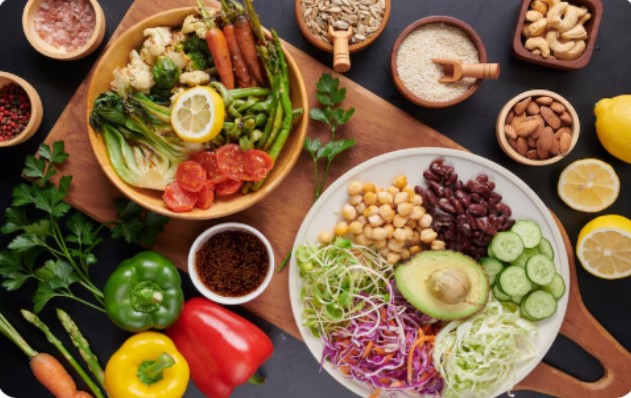
Embracing a plant-based diet offers a multitude of potential health and environmental benefits, attracting a growing number of individuals seeking a more mindful approach to eating.
While the principles seem simple – focusing on fruits, vegetables, grains, legumes, nuts, and seeds – a successful and sustainable transition requires careful planning and awareness.
It’s not simply about removing animal products, but rather about ensuring your new eating pattern provides all the necessary nutrients. This article highlights important factors to keep in mind when considering a plant-based diet to ensure it’s both nourishing and enjoyable.
Prioritize Nutrient Diversity and Adequacy
The most critical factor in a plant based diet is ensuring you obtain all essential nutrients. While plants are incredibly nutrient-dense, some nutrients typically abundant in animal products require conscious effort to include.
Focus on diverse sources of protein (legumes, tofu, tempeh, quinoa, nuts, seeds), iron (lentils, spinach, fortified cereals), calcium (fortified plant milks, leafy greens, tofu), and zinc (beans, nuts, seeds).
A varied and colorful plate is usually a good indicator of nutrient diversity. Careful planning is key to make your plant-based diet nutritionally complete.
Pay Attention to Vitamin B12
Vitamin B12 is unique among essential nutrients as it is primarily found in animal products. It plays a crucial role in nerve function and red blood cell formation.
For individuals fully committing to a plant-based diet, supplementation with B12 is almost always necessary and highly recommended.
Fortified foods like plant milks, cereals, and nutritional yeast can offer some B12, but a reliable supplement is the most secure way to ensure adequate intake. This is a non-negotiable aspect of a healthy plant-based diet.
Understand Protein Combining (or Lack Thereof)
A common misconception about a plant-based diet is the need to meticulously combine specific plant proteins at each meal to form “complete proteins.” While individual plant proteins may lack one or more essential amino acids, the body maintains an amino acid pool.
As long as you consume a variety of plant protein sources throughout the day (e.g., grains and legumes, nuts and seeds), your body will obtain all necessary amino acids. Focus on overall protein adequacy from diverse sources rather than strict meal-by-meal combining.
Focus on Whole, Unprocessed Foods
The benefits of a plant-based diet are maximized when the emphasis is on whole, unprocessed foods. While plant-based processed foods (like some meat alternatives or highly refined snacks) exist, they can be high in sodium, unhealthy fats, and added sugars.
Prioritize fresh fruits and vegetables, whole grains, legumes, nuts, and seeds. Cooking at home more often allows you to control ingredients and ensure your meals are truly wholesome and nourishing, aligning with the core health principles of a plant-based diet.
Plan Your Meals and Snacks
Especially when transitioning, meal planning can prevent feeling overwhelmed or resorting to less healthy options. Plan your meals and snacks to ensure you’re getting adequate calories and a balanced array of nutrients. Stock your pantry with staples like lentils, beans, whole grains, and a variety of fresh produce.
Having plant-based snacks readily available, such as fruit, nuts, seeds, or hummus with vegetables, can help maintain energy levels and prevent cravings. A little foresight goes a long way in sustaining a successful plant-based diet.
